Joshua Johnson: America’s First Known Professional African American Artist – A Story of Talent and Triumph

Born into slavery in Baltimore around 1763, Joshua Johnson (also spelled Johnston) would become one of the most remarkable success stories in early American art. His journey from enslaved person to celebrated portrait artist isn’t just inspiring – it’s revolutionary.

The Early Years Little is known about Johnson’s early life, but records show he was born to a white father and a Black mother who was enslaved. By 1782, Johnson had secured his freedom and begun establishing himself as a professional artist – a feat nearly unimaginable for a Black man in 18th century America.

A Self-Taught Master Johnson never received formal artistic training, making his technical achievements even more impressive. He developed a distinctive style characterized by:

  • Elegant, slightly rigid poses
  • Precise attention to detail in faces and clothing
  • Signature use of props like books and flowers
  • Subtle architectural backgrounds
  • A muted but sophisticated color palette

Breaking Barriers in Baltimore By the 1790s, Johnson was advertising his services in Baltimore newspapers and receiving commissions from prominent families. His ability to secure wealthy white clients in the early Federal period speaks volumes about both his talent and his ability to navigate the complex racial dynamics of his time.

The Johnson Style What makes a Joshua Johnson portrait unique? His works often feature:

  • Three-quarter length poses
  • Careful attention to facial features
  • Precise rendering of clothing and accessories
  • A characteristic red curtain in many backgrounds
  • Slight stiffness in posture that became his trademark

Legacy and Influence Today, Johnson’s works hang in major museums across America, including the Metropolitan Museum of Art. His success paved the way for future generations of Black artists and helped shape the development of American portraiture.
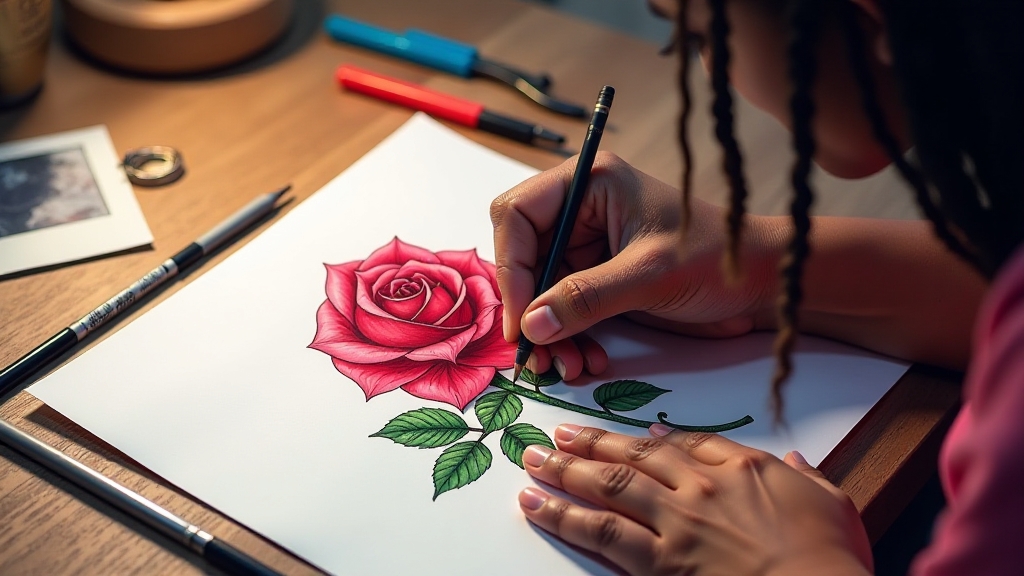

Kickstart Your Creativity Challenge – Day 31: The Final Stroke – A Rose & Reflection

You made it! 31 days, 31 drawings, and a brand-new version of YOU—one that shows up, creates, and pushes through. Today, we close this chapter with an elegant yet deceptively tricky subject: a simple rose. A symbol of growth, beauty, and resilience—just like your journey in this challenge.

Today’s Task:

🖌 Draw a rose – Keep it simple, or add layers of petals for a challenge. You can make it realistic, stylized, or even abstract—whatever reflects your unique artistic voice.

💭 Reflect on your journey – Flip back through your sketches from the past 30 days. How have you improved? What did you struggle with? What did you LOVE creating? Write down your biggest takeaways and victories.

📸 Share your final piece – Post your rose and a short reflection on what this challenge meant to you. Use the hashtag #KickstartYourCreativity so we can celebrate together!

🎯 Engagement Challenge: Tag a friend who should take this challenge next and encourage them to start their own journey!

Remember:

  • Growth isn’t about perfection—it’s about progress.
  • If you stuck with this, you proved to yourself that you CAN build an art habit!
  • Keep drawing. Keep creating. Keep showing up for yourself.

📍 Final Call to Action: If you loved this challenge, join the Artist Hangout at Tilatheartist.com to keep growing with a community of creatives! Let’s keep this momentum going. 🚀

💬 Drop a comment: What was your favorite day? What surprised you the most? Let’s talk about it below!

#KickstartYourCreativity #ArtChallenge #DrawEveryDay #GrowthMindset #TilaTheArtist

O

Day 30: Final Touches & Bringing It All Together

We did it, y’all! 30 days, 30 lessons, 30 chances to level up your drawing skills! 🏆 Today is about final adjustments, sharpening details, and adding that last bit of magic to your seated portrait.

Step 1: Step Back & Assess

Before touching that pencil, take a step back. Look at your drawing from a distance or flip it in a mirror. What stands out? What needs adjustment? This fresh perspective reveals imbalances you might not notice up close.

Step 2: Adjust Contrast & Values

  • Shadows too light? Deepen them to add more depth.
  • Highlights missing? Use an eraser or a white pencil to make areas pop.
  • Midtones blending too much? Refine them for clarity and balance.

The trick is pushing the values to make your drawing look dimensional and polished.

Step 3: Edges Matter!

Soft edges create a realistic, blended look, while sharp edges define important features. Use a mix of both to control focus and guide the viewer’s eye.

Step 4: Final Details & Texture

Now’s the time for small but powerful refinements:
✅ Stray hairs around the face? Add a few wispy strokes.
✅ Lips too flat? Add subtle highlights to make them feel fuller.
✅ Clothing too stiff? Introduce some natural folds and texture.

Step 5: Know When to Stop

One of the hardest parts of art is not overworking a piece. Step away, take a break, then come back with fresh eyes. If nothing urgent needs fixing, your portrait is done! 🎨✨

Your Final Challenge: Reflect & Share!

What’s been your biggest takeaway from this challenge? What skill have you improved the most? Drop a comment below!

🎨 Ready to keep growing? Join the Artist Hangout at TilaTheArtist.com!

#KickstartYourCreativity #DrawingChallenge #TilaTheArtist #LearnToDraw #FinalTouches #ArtGrowth

day 29: Refining Your Seated Portrait: The Magic is in the Details

We’ve made it to Day 29 of the Kickstart Your Creativity Challenge, and today, we’re taking our seated portraits to the next level! We’re talking fabric, texture, shadows, and those final touches that bring everything together. Whether you’re drawing yourself or a model, adding clothing and shading transforms your art from flat to full of life.

Step 1: Assess Your Portrait

Before diving into clothing, step back and look at the overall structure. Are the proportions correct? Is the pose natural? This is the perfect moment to make adjustments before committing to details.

Step 2: Sketching Clothing & Fabric

Fabric is dynamic! It reacts to gravity, body movement, and light. Keep these things in mind:
Where does the fabric fold? Around elbows, knees, and waist.
How does it stretch? Tight clothing will have fewer folds, while loose clothing drapes.
What’s the texture? Denim vs. silk—how does it behave?

Step 3: Adding Depth with Shadows & Light

To create realism, use contrast:

  • Darker areas where fabric folds or tucks in.
  • Lighter areas where fabric catches light.
  • Try cross-hatching or blending techniques for softer shadows.

Step 4: Refining the Face & Hair

Even the smallest adjustments to eye shape, nose placement, or hair texture can add personality to your drawing. Don’t be afraid to tweak!

Step 5: Background & Storytelling

Want to go the extra mile? Add a simple background—a chair, a window, or even a scene that tells a story.

Your Challenge: Share & Engage!

What was the trickiest part of your seated portrait? The pose? The shading? The folds? Drop a comment below!

🎨 Ready for the final challenge? Join the Artist Hangout at TilaTheArtist.com!

#KickstartYourCreativity #DrawingChallenge #TilaTheArtist #LearnToDraw #ArtCommunity #PortraitDrawing

Day 28: Refining Features & Clothing in the Seated Portrait

So, you’ve got your seated figure sketched out… now what? Today, we bring it to life by refining facial features and tackling the tricky world of clothing folds!

First, let’s lock in those proportions. Are the eyes, nose, and mouth sitting naturally? Use light guidelines to double-check symmetry and make adjustments. When shading, focus on light and shadow—this is where the magic happens! Cross-hatching, blending, or even just a few subtle strokes can make features pop.

Now, let’s talk clothing. Ever wonder why some portraits look stiff while others feel natural? It’s all about the fabric! Clothing doesn’t just sit on a body—it moves with it. Observe how fabric folds at pressure points, like knees and elbows. Where does it stretch? Where does it bunch up? Use thicker lines for deep folds and lighter strokes for subtle creases.

The final step? Unify the drawing by adjusting contrast, softening edges, and adding highlights. Don’t overwork it—less is more!

What’s the hardest part about drawing fabric? Drop your thoughts below! 👇 And if you’re loving this challenge, don’t forget to like, comment, and follow for more!

📢 Join the Artist Hangout!Tilatheartist.com
🎨 Tag me on socials! → @TilaTheArtist

Day 27: How to Begin a Seated Portrait

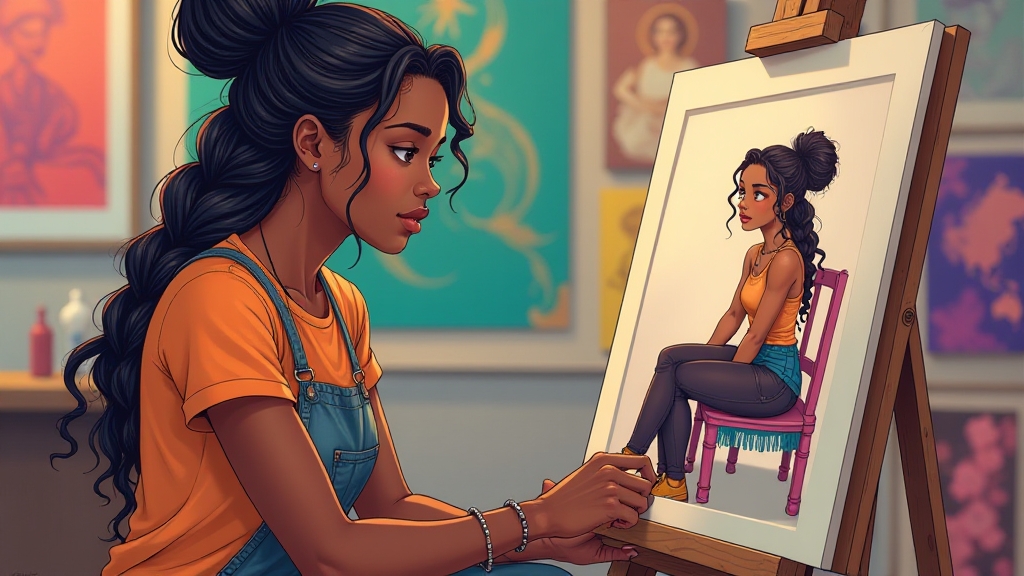
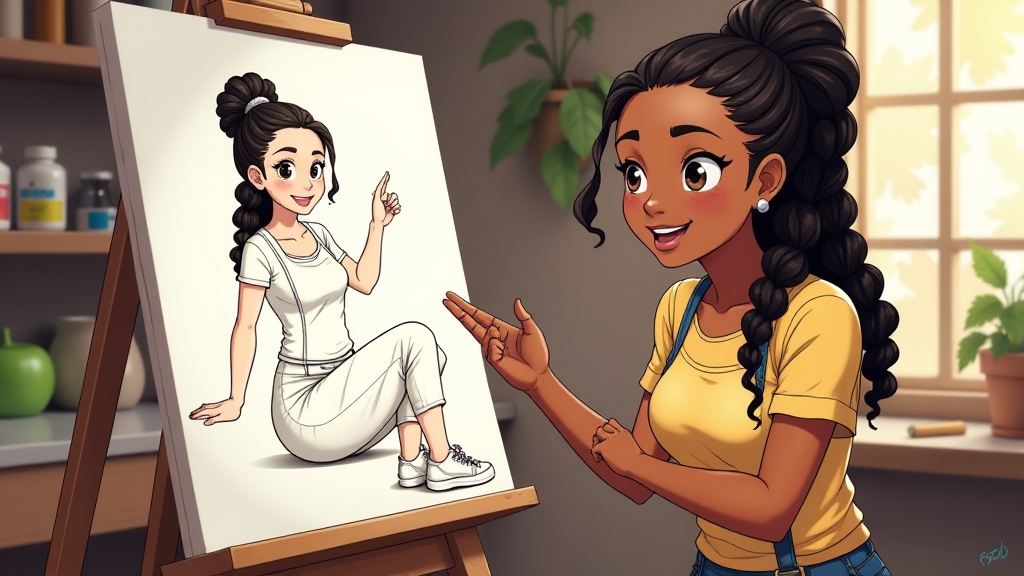
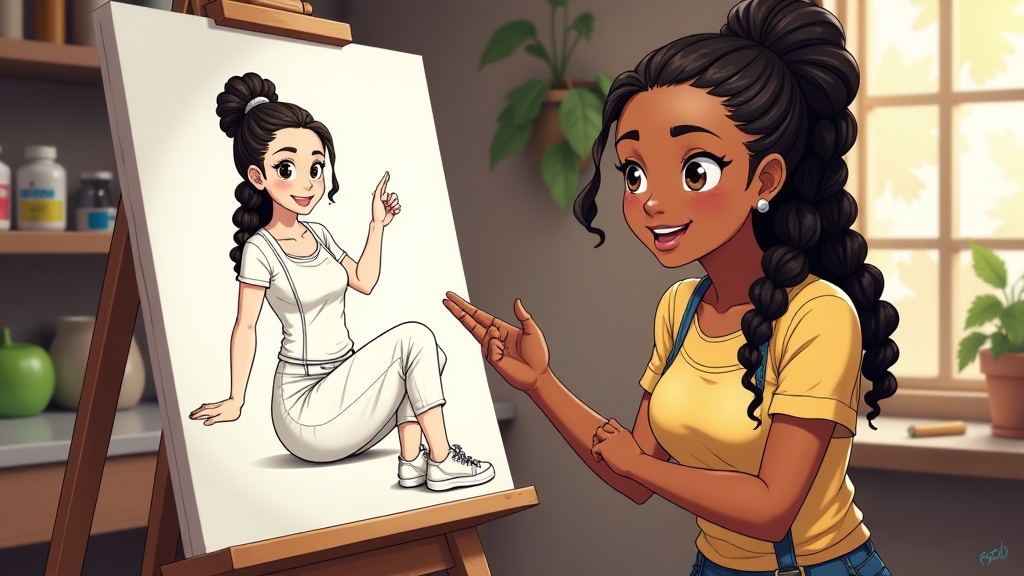
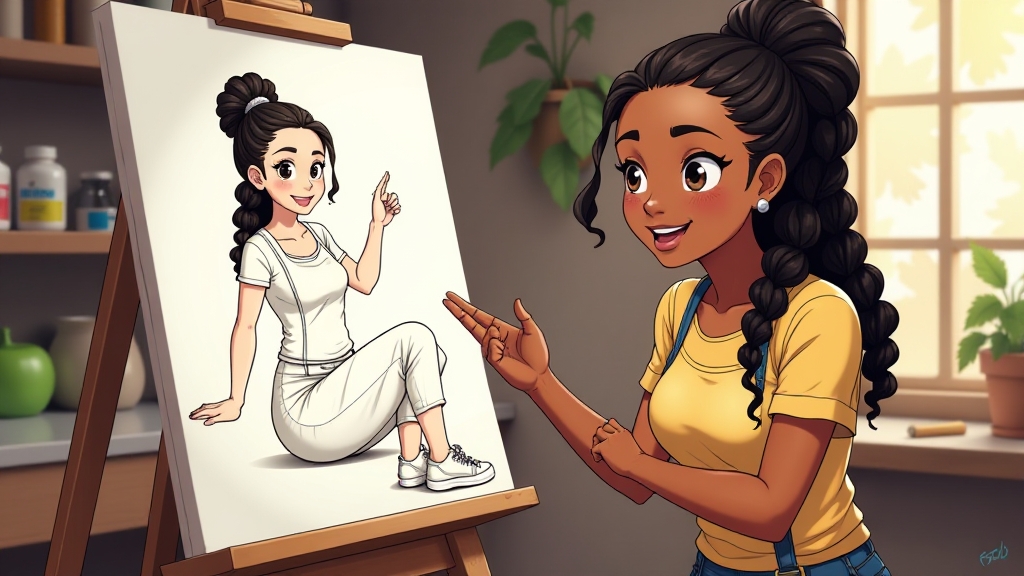
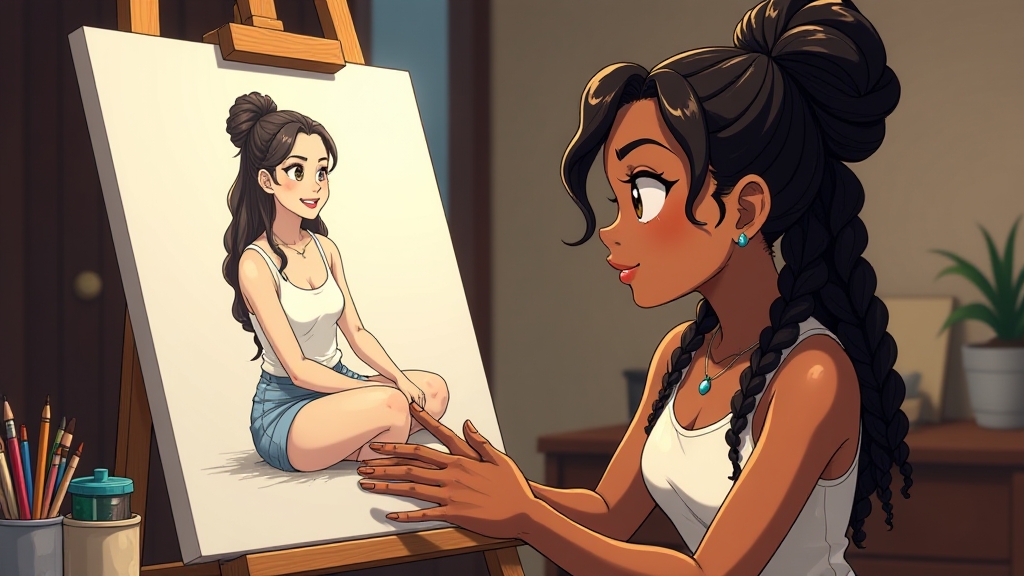
Seated portraits can bring an incredible sense of depth and storytelling to your art. For Day 27 of Kickstart Your Creativity, we’re diving into the process of starting a seated figure by focusing on the shape of the body.

When beginning a seated portrait, simplicity is key. Start by observing the pose—are they leaning back with confidence, perched on the edge with energy, or relaxed in a reclined position? Use basic shapes to sketch out the form:

  • Head: A simple oval at the top of the structure.
  • Torso: Use a rectangle or elongated oval to represent the chest area.
  • Arms and Legs: Map these out with straight or curved lines for placement, adding cylinders for volume.

Proportions are everything. The seated pose changes the dynamics of the body, with the torso compressing slightly and the legs often bending at the knees. Lightly sketch a line for the spine to give the figure balance and flow. Add horizontal lines to indicate the shoulders and hips—the tilt of these lines will create natural movement in your pose.

Pro Tips:

  1. Keep it Loose: Your first sketch should be light and adjustable. Don’t focus on details just yet.
  2. Check Your Angles: Use reference images or even a mirror to study how the body shifts when sitting.
  3. Add Depth: Indicate the chair, stool, or surface your figure is seated on to anchor the pose.

🎨 Don’t forget to share your work with the community! Use #KickstartYourCreativity and tag @TilaTheArtist. Need help? Our Artist Hangout at www.TilaTheArtist.com is a great place to ask questions and get feedback.

Seated portraits tell stories—what will yours say?

Day 26: A Self-Portrait – Capturing Your Essence

Objective:
Draw a self-portrait that showcases your unique features, personality, and artistic style. This challenge is about embracing self-expression while practicing facial anatomy, proportions, and lighting.


Tasks:

1. Prep Your Workspace:

  • Set up a mirror or use a clear reference photo of yourself. Choose a well-lit space with a mix of shadows and highlights for depth.
  • Gather your favorite drawing tools, whether it’s pencils, charcoal, or digital media.

2. Begin with the Basics:

  • Sketch the shape of your head, focusing on proportion and symmetry. Use light strokes to map out where your eyes, nose, mouth, and ears will be.
  • Remember: no need for perfection here—focus on capturing the essence of your face.

3. Add Features with Precision:

  • Start detailing your facial features, one at a time. Pay close attention to their unique shapes and placements.
  • Observe subtle characteristics like the curve of your lips or the shape of your eyebrows.

4. Define the Structure:

  • Use shading to emphasize the planes of your face, such as cheekbones, jawline, and nose bridge.
  • Blend carefully to create smooth transitions between light and shadow for a three-dimensional effect.

5. Express Yourself:

  • Add a personal touch to your self-portrait, like including your favorite accessory, hairstyle, or even a subtle background element that represents you.

6. Final Touches:

  • Step back and assess your work. Refine any areas that need adjusting and add final details, such as highlights in the eyes or strands of hair.

Tips for Success:

  • Stay Relaxed: It’s your face, and no one knows it better than you! Enjoy the process of capturing your personality on paper.
  • Focus on Proportions: The face is roughly divided into thirds: from hairline to eyebrows, eyebrows to the base of the nose, and nose to chin.
  • Take Breaks: Step away from your work periodically to view it with fresh eyes.

Share Your Work:
Celebrate your artistic growth by posting your self-portrait in the Artist Hangout at www.TilaTheArtist.com. Be sure to tag @TilaTheArtist on social media and use #KickstartYourCreativity so we can cheer you on!

Day 25 Task: Drawing the Mouth

Challenge Theme: Kickstart Your Creativity – Faces Week!
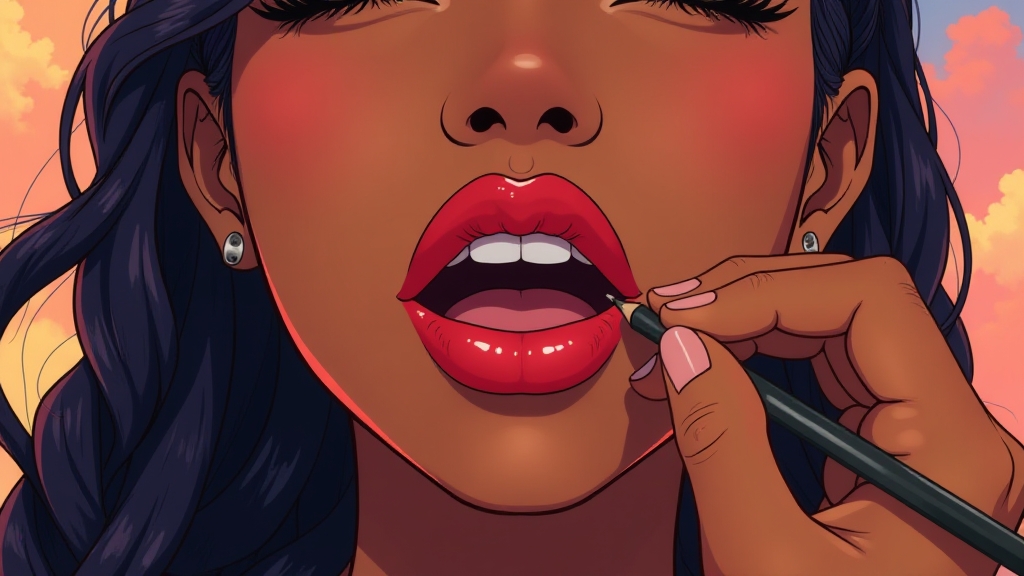
Today’s focus is on drawing the mouth, a feature that brings emotion and personality to your portraits. Whether it’s a smile, a pout, or something in between, learning to draw the mouth will elevate your artwork to the next level!


Task for the Day:

Draw the mouth of your subject, be it yourself, a loved one, or an imagined character. Focus on shape, shading, and expression. Follow these steps for guidance:

  1. Start with the Basics:
    • Use a horizontal guideline to place the mouth and vertical markers for symmetry.
    • Sketch an elongated oval for the general shape.
  2. Define the Lips:
    • Add curves for the upper lip (Cupid’s bow) and a fuller lower lip. Keep proportions in mind to match the face.
    • Lightly outline the corners of the mouth and ensure they align naturally with the overall expression.
  3. Add Shading and Texture:
    • Use cross-hatching or smooth blending to add depth. Highlight areas that catch light, like the center of the lower lip, and deepen shadows along the edges.
    • Don’t forget the subtle line separating the lips!
  4. Experiment with Expressions:
    • Try a few variations: a slight smirk, a wide grin, or even a neutral closed-mouth pose. This will help you build confidence in depicting emotions.

Engagement and Call to Action:

Let’s make this interactive! Post your mouth sketches in the Artist Hangout Community at www.TilaTheArtist.com, and share your progress on social media. Tag me @TilaTheArtist and use #KickstartYourCreativity.

Feeling bold? Challenge yourself to draw a dramatic or exaggerated mouth. Think laughter, shouting, or even a cartoonish pout!

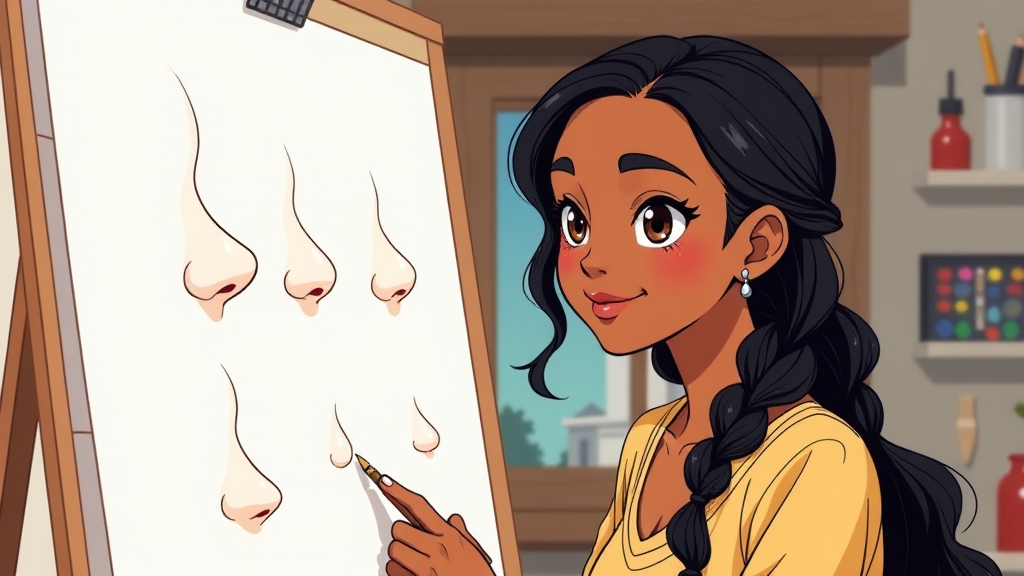
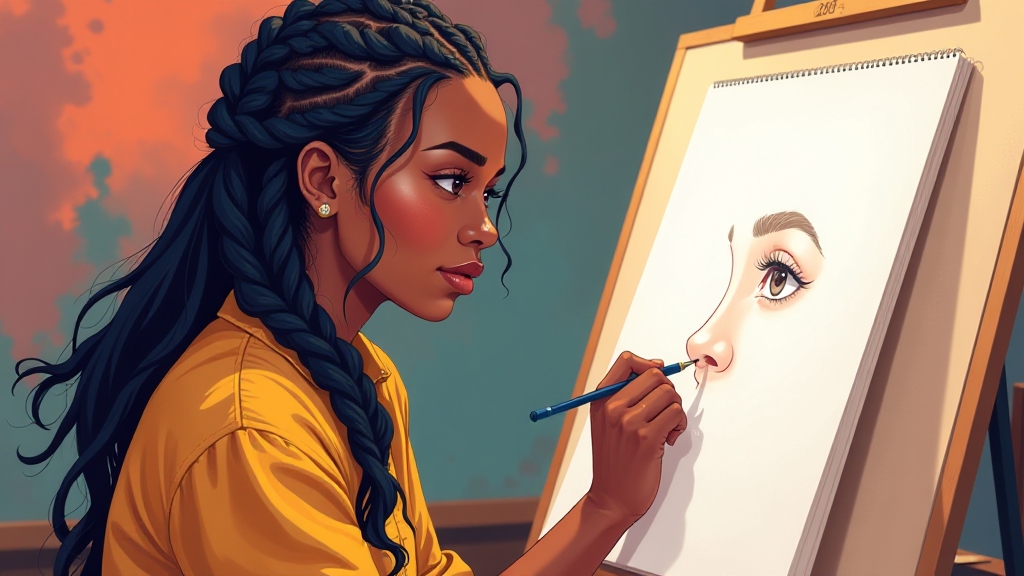
Day 24 Task: Drawing the Nose

Challenge Theme: Kickstart Your Creativity – Faces Week!
Today, we’re focusing on drawing the nose—an often tricky but super rewarding feature. Whether you’re aiming for realism or stylized art, mastering the nose is key to making your portraits pop.


Task for the Day:

Draw a nose that fits into the face you’ve been building. Pay close attention to its structure and how light interacts with the surface. Use these steps as a guide:

  1. Understand the Basics: A nose can be broken into simple shapes—start with a triangle or wedge to form the base structure.
  2. Add Key Features: Sketch the bridge, tip, and nostrils, keeping the proportions of your portrait in mind.
  3. Focus on Shadows and Highlights: Use shading to add depth. Remember, the shadows under the nose and the highlights on the bridge create dimension.
  4. Practice Different Angles: Try drawing a nose from the front, side, and 3/4 view to build versatility.

Feeling adventurous? Experiment with unique nose shapes to reflect personality or style!


Encouragement:

The nose can be challenging, but don’t overthink it! Think of it as a sculptural element, with subtle curves and lines that bring your face drawing to life. Remember, every artist starts with a wobbly line before mastering the craft.


Call to Action:

Share your nose sketches in the Artist Hangout Community at www.TilaTheArtist.com. Don’t forget to tag me @TilaTheArtist and use the hashtag #KickstartYourCreativity. I want to see those noses—seriously, let’s give them the attention they deserve!

Mastering Eyes: A Step-by-Step Guide

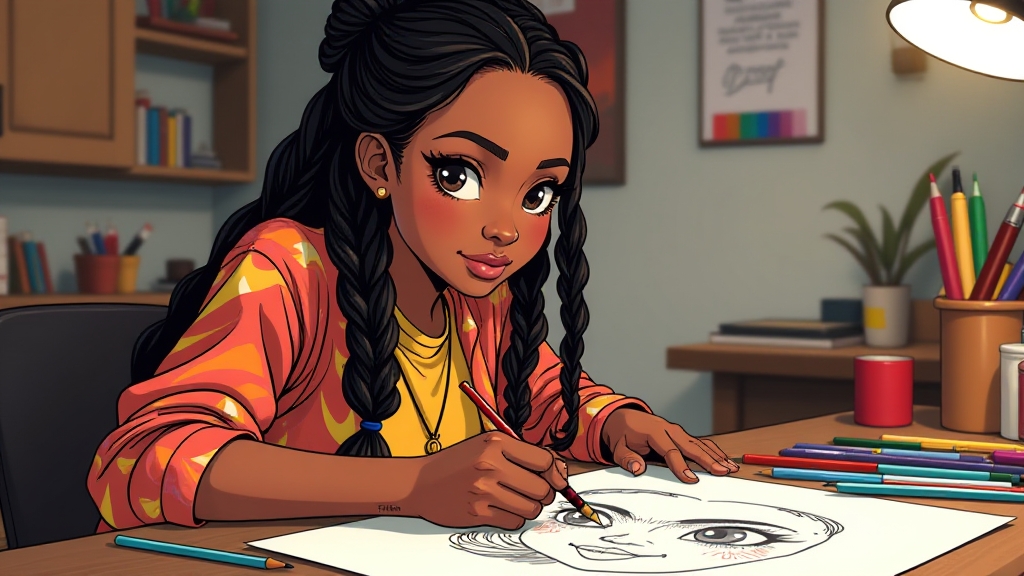
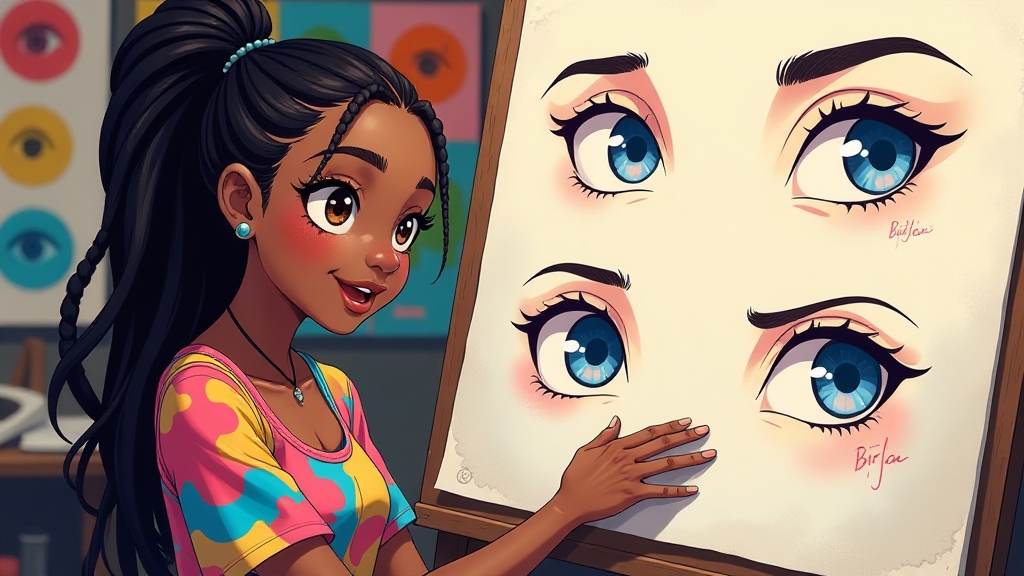
Eyes—they’re not just the focal point of a face but often the key to expressing emotion in art. But let’s be honest, drawing eyes can be downright scary. That’s why, on Day 23 of the Kickstart Your Creativity Challenge, we’re breaking it down step-by-step. Whether you’re a beginner or refining your skills, this guide is for YOU.

Step 1: Understanding Basic Eye Anatomy

The human eye is a marvel of nature, but drawing it doesn’t have to be complicated. Start with the basics: the almond-shaped outline, the circular iris, and the all-important highlights.

Step 2: Adding Expression

Eyes convey mood. Are they surprised? Sad? Joyful? Adjust the position of the lids and the size of the pupils to show emotion.

Step 3: Shading for Depth

Shading is where the magic happens. Use light pressure to shade the sclera (the white part) and build up darker tones for shadows around the eyelids.

Step 4: Bringing It to Life

Highlights make all the difference. Use a sharp eraser or white gel pen to add those pops of light to the iris and tear duct.

Conclusion & Call to Action

Drawing eyes is a journey, not a race. Celebrate your progress, no matter how small. Don’t forget to share your work on Instagram or TikTok and tag @TilaTheArtist—we want to celebrate with you!

Want more tips, exclusive tutorials, and a supportive art community? Visit www.TilaTheArtist.com homepage and join the free artist hangout today! Let’s create something extraordinary together.